


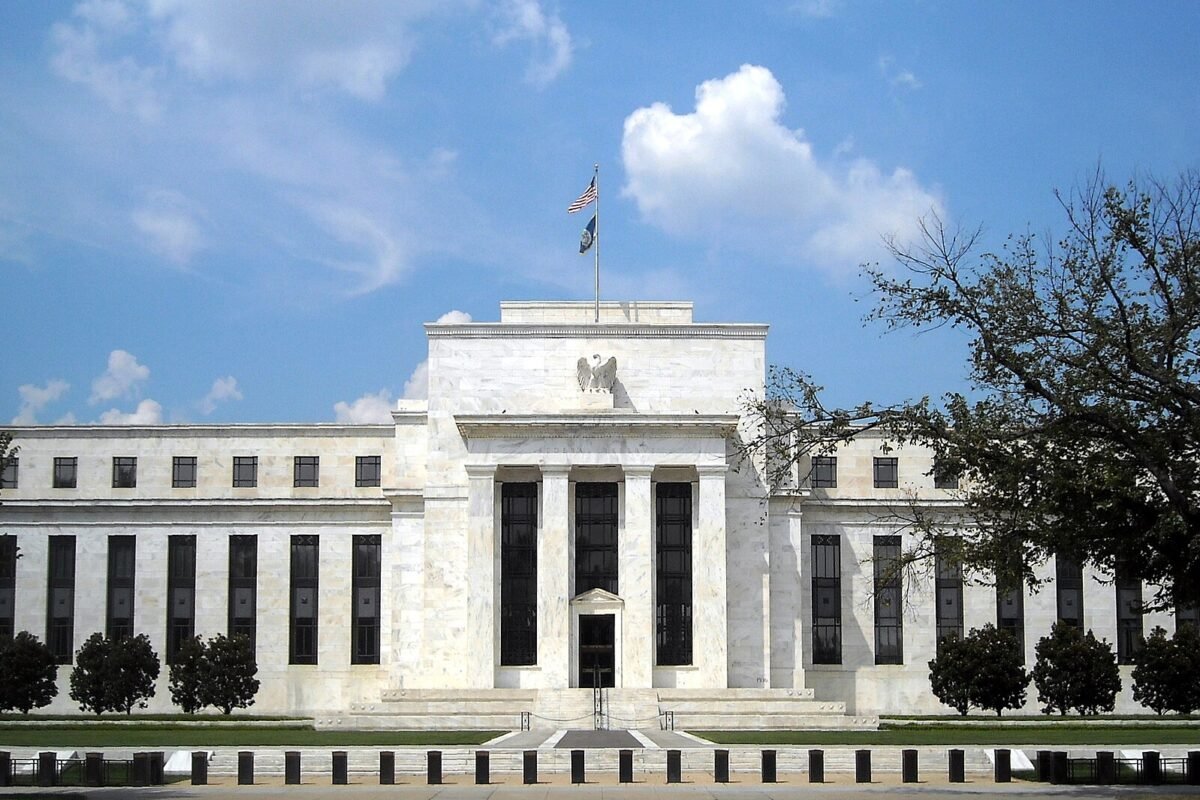
In its October 28, 2026 Fed interest rate decision, the Federal Reserve left the federal funds rate unchanged at 3.75%–4.00%. Two officials voted for a hike instead, and markets now expect the Fed to raise rates by a quarter point in December. For households, that means borrowing stays expensive and savings yields stay attractive, at least through the end of the year.
The Fed’s latest interest rate decision looked like a non-event. Nothing moved. But a 10–2 vote where both dissenters wanted higher rates is not a calm committee, and inflation running at 3.7% a year gives Chair Kevin Warsh little room to relax. If you carry a credit card balance, plan to buy a home or keep cash in the bank, the next six weeks matter more than the headline suggests.
Here’s what actually happened, why the Fed held, and what you should do with your money before the December meeting.
Key takeaways
- The Fed held its benchmark rate at 3.75%–4.00% on October 28, after a September hike that was its first increase in three years.
- The vote was 10–2. Both dissenters, including Governor Lisa Cook, wanted a quarter-point increase.
- Inflation rose to 3.7% year over year in September, well above the Fed’s 2% target, which keeps a December hike on the table.
- Credit card and HELOC rates track the Fed closely. Mortgage rates follow the 10-year Treasury and have stayed above 7%.
- The best online savings accounts still pay over 4%, while many big-bank accounts pay a fraction of that.
What did the Fed decide in October 2026?
The Federal Open Market Committee kept the target range for the federal funds rate at 3.75% to 4.00%, according to the Fed’s implementation note. It was the committee’s seventh meeting of the year and came one meeting after September’s increase.
The split is the part worth paying attention to. CNN reported that both dissenting officials favored a quarter-point hike. Nobody argued for a cut. When every disagreement points the same way, it tells you which way the next move is likely to go.
Warsh also told reporters that the midterm elections “played no role in the decision.” He previewed broader changes at the central bank, including fewer rate-setting meetings next year.
Why did the Fed hold instead of hiking again?
The short answer: it wanted more data before tightening again. Inflation jumped from a 3.4% annual rate in August to 3.7% in September, as NBC News reported. That’s the wrong direction. But the September hike hasn’t had time to work through the economy yet. Rate changes typically take months to show up in hiring, spending and prices.
So the Fed bought itself time. It now gets another inflation report and the October jobs report (due Friday, November 6) before the December meeting. If prices keep running hot, a hike becomes very likely. If they cool, the hawks lose their argument.
What is the federal funds rate, exactly?
The federal funds rate is the interest rate banks charge each other for overnight loans, and it acts as the anchor for most short-term borrowing costs in the US. The Fed doesn’t set your credit card APR or your mortgage rate directly. It sets this anchor, and lenders price everything else off it.
How the Fed interest rate decision affects your money
Not every rate moves the same way. Here’s how the October hold, and a possible December hike, flow through to common products:
| Product | How closely it tracks the Fed | What to expect near term |
|---|---|---|
| Credit cards | Very closely; most APRs are variable and tied to the prime rate | Already high; another 0.25 point if the Fed hikes in December |
| HELOCs | Very closely (prime-linked) | Same as credit cards |
| 30-year mortgages | Loosely; follow the 10-year Treasury yield | Stuck above 7% for now; could move either way on inflation data |
| Auto loans | Moderately | Little relief; shop lenders and credit unions |
| High-yield savings and CDs | Closely | Top accounts stay above 4%; CD rates may tick up if a hike looks certain |
Credit cards: the most expensive place to wait
If you carry a balance, the Fed hold doesn’t help you. Card APRs were already painfully high after September, and a December hike would add roughly another quarter point. On a $6,000 balance, the hike itself costs only about $15 a year. The real problem is the double-digit rate you’re paying on the rest. The CFPB’s credit card resources are a good place to compare balance-transfer offers. We break down the two main payoff strategies in our guide on how to pay off credit card debt fast.
Mortgages: the Fed isn’t the main lever
People often expect mortgage rates to drop the day the Fed holds or cuts. They don’t, because 30-year fixed rates follow the 10-year Treasury yield, which reflects where investors think inflation and growth are heading. CNBC noted that the average 30-year rate has stayed above 7% for weeks. If you’re buying, focus on what you control: your credit score, down payment and how many lenders you compare. Our explainer on bond yields and the 10-year Treasury shows why.
Savings: one of the few winners
Savers are doing fine. Several online banks still pay more than 4% APY on high-yield savings, while the average savings account at a traditional bank pays far less. You can check the FDIC’s national rates to see how wide the gap is. If your emergency fund sits in a big-bank account earning close to nothing, moving it is the easiest money you’ll make this year. Not sure whether to lock in a rate? Read our comparison of high-yield savings accounts vs CDs.
Will the Fed raise rates in December 2026?
Markets think so. NPR reported that investors widely expect a hike at the December meeting. Two things will decide it:
- The October jobs report (November 6). Strong hiring and wage growth make a hike easier to justify.
- The October inflation data (mid-November). Another reading near or above 3.7% would make holding again very hard to defend.
A surprise slowdown in either could push the Fed to wait. But with two officials already voting for a hike, the bar for doing nothing is getting higher.
What does this mean for the stock market?
Higher-for-longer rates hit some parts of the market harder than others. Growth stocks, especially tech companies spending heavily on AI with distant payoffs, are the most sensitive, because higher rates reduce what future profits are worth today. That helps explain why the Nasdaq has struggled this fall. We go deeper in how interest rate hikes affect the stock market.
For long-term investors, a single Fed meeting shouldn’t change your plan. What it should change is your tolerance for expensive debt while you invest.
Our take: what to do before December
Don’t try to trade the Fed. Do use the next six weeks to get your cash and debt in order:
- Attack variable-rate debt first. Every hike makes it more expensive, and paying it down is a guaranteed return.
- Move idle cash. If your savings earn under 1%, switch to a high-yield account or a short CD now while top rates are above 4%.
- Don’t wait for a mortgage miracle. If you find the right home and the payment works, waiting for a big rate drop is a bet, not a plan. You can refinance later if rates fall.
- Keep investing on schedule. Steady contributions through choppy markets usually beat trying to time the bottom. See our guide to dollar-cost averaging.
Frequently asked questions
What is the current federal funds rate?
As of the October 28, 2026 decision, the federal funds target range is 3.75% to 4.00%. The Fed left it unchanged after raising it in September.
When is the next Fed meeting?
The next FOMC decision is in December 2026. There’s no rate decision in November. Chair Warsh has also said the Fed plans to hold fewer rate-setting meetings next year.
Does the Fed’s decision change my mortgage rate?
Not directly. Fixed mortgage rates follow the 10-year Treasury yield, which moves on inflation expectations and economic data. The Fed’s decisions influence that yield, but mortgage rates can rise even when the Fed holds.
Is now a good time to open a CD?
If you won’t need the money for the CD’s term, locking in a rate above 4% is reasonable, especially if you expect rates to fall in 2027. If a December hike looks likely, CD rates could tick up slightly first, so a short-term CD keeps you flexible.
Why did two Fed officials vote against the decision?
Both dissenters wanted to raise rates by a quarter point immediately. They argued that inflation, at 3.7% in September, is moving away from the Fed’s 2% target and calls for faster action.
This article is for educational purposes only and is not financial advice. Consider speaking with a licensed professional before making investment decisions.
Sources
Figures and rules in this article were checked against these primary sources. Rates and rules change, so confirm current details with the source before acting.
- Federal Reserve: Monetary Policy — FOMC statements, meeting calendar and policy tools
- Federal Reserve: Open Market Operations — history of federal funds target range changes



Community Insights
0 Comments