


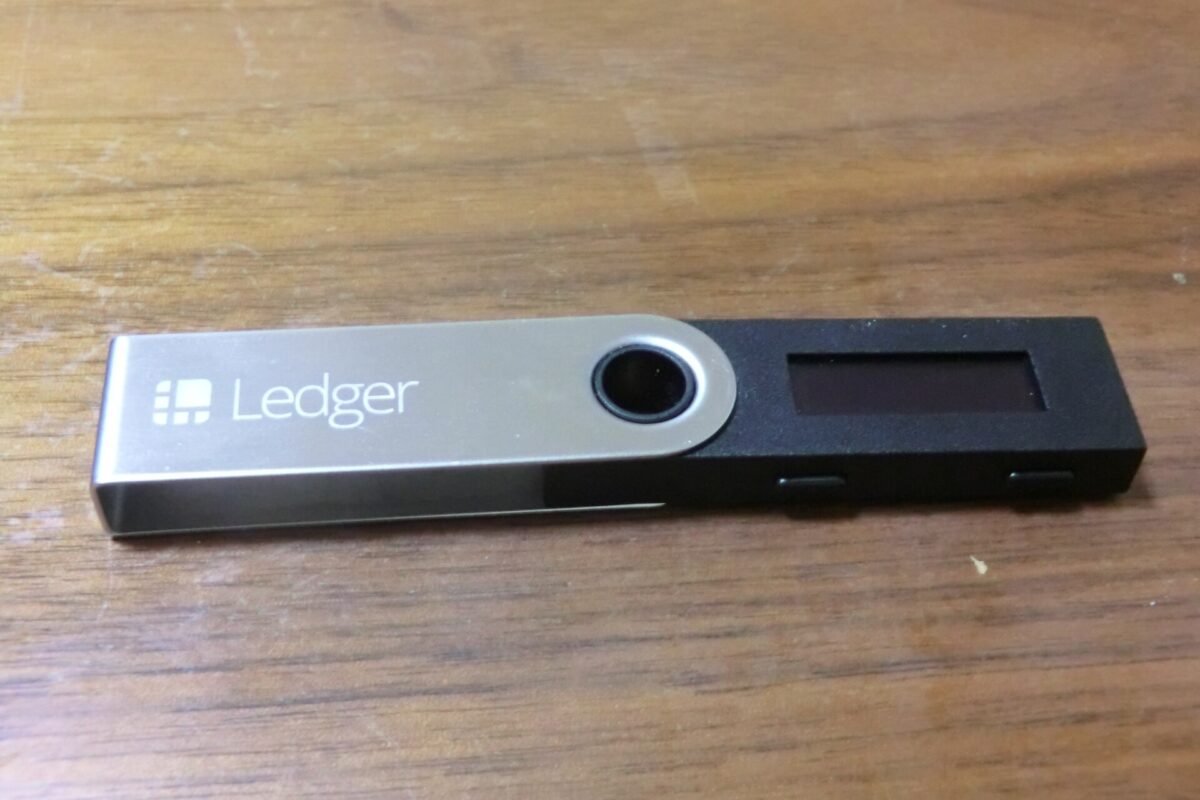
The hot wallet vs cold wallet choice comes down to convenience versus security. A hot wallet keeps your private keys on an internet-connected device, which makes it easy to trade and spend but exposes it to online attacks. A cold wallet keeps keys offline, usually on a hardware device, which makes it far harder to hack and the better home for any crypto you plan to hold long term.
The Binance breach made the difference painfully concrete. Attackers drained roughly $6.3 billion from the exchange’s hot wallets in an attack the FBI attributed to North Korea’s TraderTraitor group, and customers couldn’t withdraw until the exchange reopened withdrawals on November 1. Earlier, in February 2025, the FBI blamed the same group for the roughly $1.5 billion theft from Bybit. Both attacks hit hot wallets, because that’s where the easily movable money is.
You don’t need to be a security engineer to protect yourself. You need to understand where your keys live and match the wallet to the job.
Key takeaways
- A crypto wallet stores your private keys, not your coins; whoever controls the keys controls the funds.
- Hot wallets (apps, browser extensions, exchange accounts) are convenient but always online.
- Cold wallets (hardware devices, air-gapped setups) keep keys offline and suit long-term holdings.
- Most people should use both: a small hot wallet for spending and a cold wallet for savings.
- Your recovery phrase is the real point of failure. Never type it into a website or share it with “support.”
What is a crypto wallet, exactly?
A crypto wallet is software or hardware that stores the private keys that prove you own your coins and let you sign transactions. The coins themselves live on the blockchain. Lose the keys and you lose access; leak them and someone else gets access.
Most wallets generate a 12- or 24-word recovery phrase (also called a seed phrase) when you set them up. That phrase can rebuild your keys on any compatible wallet. It’s effectively the master password to everything, which is why scammers spend so much effort trying to get it.
Hot wallet vs cold wallet: how do they compare?
| Hot wallet | Cold wallet | |
|---|---|---|
| Where keys live | Phone, computer, browser or exchange server | Offline device or paper |
| Internet connection | Always or often | Only when signing, through a cable, QR code or Bluetooth, and keys never leave the device |
| Cost | Usually free | Roughly $50 to $250 for popular hardware wallets |
| Speed | Instant | A few extra steps per transaction |
| Main threats | Malware, phishing, exchange hacks, SIM swaps | Physical loss, theft, phishing for your seed phrase |
| Best for | Trading, DeFi, everyday spending | Long-term holdings |
Custodial vs self-custody
There’s a second axis people often confuse with hot and cold. A custodial wallet, such as an exchange account, means the company holds the keys for you. A self-custody wallet means you hold them. An exchange account is effectively a custodial hot wallet from your point of view, even though exchanges keep most customer funds in their own cold storage. When the exchange pauses withdrawals, as Binance did, you wait like everyone else.
What are the main crypto wallet types?
Hot wallets
- Exchange accounts: Coinbase, Kraken, Binance and similar. Easiest to use, but you depend on the company’s security and solvency.
- Mobile wallets: Self-custody apps such as Coinbase Wallet, Trust Wallet or Phantom. You hold the keys, stored on your phone.
- Browser extensions: MetaMask and similar, used to connect to decentralized apps. Powerful, and a favorite target for phishing and malicious approval requests.
Cold wallets
- Hardware wallets: Devices from makers such as Ledger, Trezor, Coldcard and BitBox. They sign transactions internally, so your keys never touch your computer.
- Air-gapped setups: Devices that never connect directly to the internet and pass data by QR code or microSD card.
- Paper wallets: Keys printed on paper. Largely outdated and easy to mishandle; we don’t recommend them.
Is a cold wallet actually safer?
Against remote hacking, yes, by a wide margin. Malware on your laptop can’t pull keys out of a well-designed hardware wallet. But cold storage moves the risk rather than removing it. The biggest threats become:
- Seed phrase phishing. Fake “wallet support” messages, fake firmware updates and lookalike apps that ask for your 24 words. No legitimate company will ever ask for it.
- Blind signing. Approving a transaction you don’t understand on the device screen. The Bybit theft involved signers approving a malicious transaction that looked routine.
- Physical loss. If you lose the device and the recovery phrase, the funds are gone for good.
- Supply-chain tampering. Buy hardware wallets only directly from the manufacturer or an authorized seller, never secondhand.
Our guide to spotting crypto scams covers the social-engineering side in more detail.
There’s no single best hardware wallet for everyone. Look for a maker with a long security track record, open documentation about its design, a screen large enough to verify addresses, and support for the coins you actually hold.
How to set up a hardware wallet safely
- Buy the device directly from the maker’s official website.
- Initialize it yourself and write down the recovery phrase that it generates. Reject any device that arrives with a pre-printed phrase.
- Store the phrase offline: on paper or a stamped metal backup, in a secure place, ideally with a second copy in a separate location.
- Set a strong PIN on the device.
- Send a small test amount, then practice restoring from your phrase before moving large sums.
- Verify every address and amount on the device’s own screen before you confirm.
- Keep firmware updated, but only through the official app.
Which crypto wallet should you use?
Match the wallet to the amount and the activity:
- Under a few hundred dollars, actively trading: A reputable exchange or mobile wallet is fine, secured with strong two-factor authentication.
- Holding for months or years: Move it to a hardware wallet once the balance is more than you’d be comfortable losing. For many people, that threshold is somewhere around $1,000.
- Using DeFi apps: Use a hot wallet with a small working balance, or connect a hardware wallet to the extension so each approval needs physical confirmation.
Our take: what this means for you
In the hot wallet vs cold wallet debate, our answer is to use both and be deliberate about the split. Think of a hot wallet like the cash in your physical wallet and a cold wallet like a safe. You wouldn’t carry your life savings around in your back pocket.
If you keep crypto on an exchange, don’t panic-withdraw everything to a wallet you’ve never used; rushed transfers to wrong addresses lose people money too. Set up the hardware wallet calmly, test it, then move funds. Lock down the exchange account in the meantime with an authenticator app or passkey rather than SMS. Our comparison of two-factor authentication methods explains why, and our Binance hack explainer covers what happened and what to check on your account.
One more opinion: if you’d struggle to keep a 24-word phrase safe for ten years, a regulated spot bitcoin ETF in a brokerage account may be a better fit than self-custody. That’s not a cop-out. It’s an honest match between the tool and your habits.
For official guidance on reporting theft or fraud, use the FBI’s Internet Crime Complaint Center, and see the SEC’s investor education site Investor.gov for alerts about crypto investment schemes.
Frequently asked questions
Can a cold wallet be hacked?
Remote hacking of a properly used hardware wallet is very rare. Most losses come from users being tricked into revealing their recovery phrase or approving a malicious transaction. Physical attacks are possible but require access to the device.
What happens if my hardware wallet breaks or is lost?
Your crypto is still on the blockchain. Buy a new device, compatible wallet or replacement, and restore it using your recovery phrase. Without the phrase, the funds can’t be recovered.
Is keeping crypto on an exchange a bad idea?
Not for small trading balances on a well-regulated exchange. It’s a risk for large, long-term holdings, because you depend on the exchange’s security, solvency and willingness to process withdrawals. Exchange failures and hacks have repeatedly frozen customer funds.
Do I need a separate wallet for each cryptocurrency?
Usually not. Most hardware wallets and many software wallets support Bitcoin, Ethereum and many other tokens under one recovery phrase. Check the supported-assets list before buying.
Should I store my seed phrase in a password manager or photo?
Not for meaningful amounts. Photos sync to the cloud and digital storage can be breached. Most security experts recommend an offline backup on paper or metal, kept somewhere secure.
This article is for educational purposes only and is not financial advice. Consider speaking with a licensed professional before making investment decisions.
Sources
Figures and rules in this article were checked against these primary sources. Rates and rules change, so confirm current details with the source before acting.
- SEC Investor.gov: Crypto Assets — risks of holding crypto on platforms and in wallets
- FBI IC3 — report wallet theft, scams and fraud



Community Insights
0 Comments