


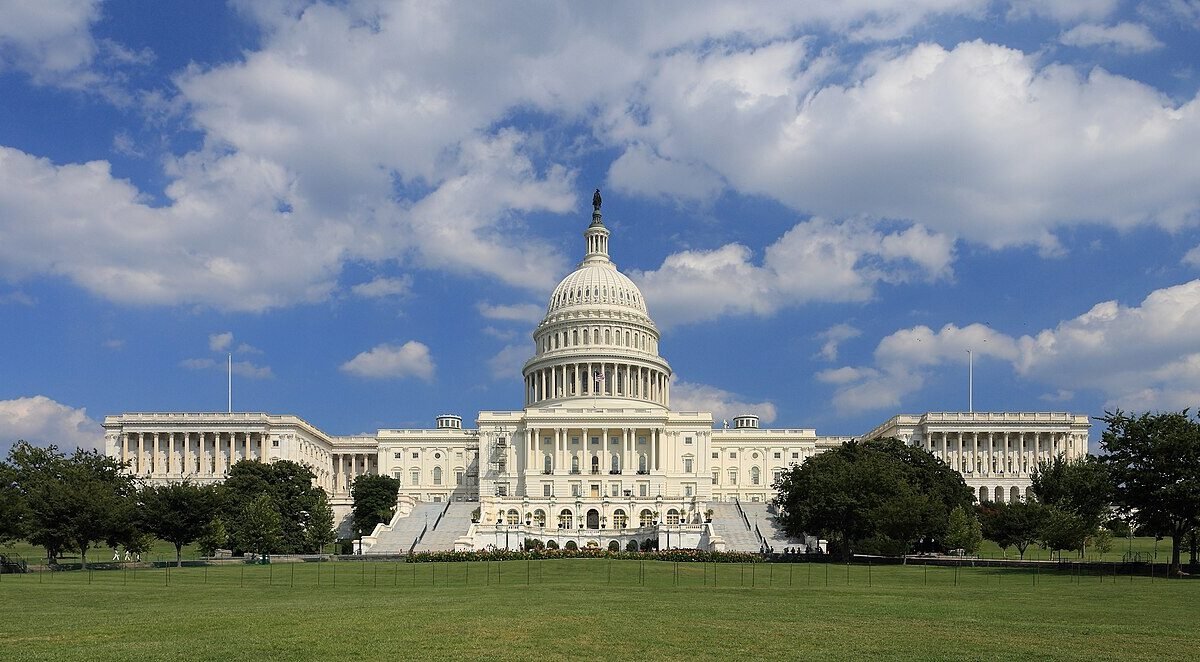
The midterm election economy 2027 picture is one of divided government: Democrats won control of both the House and the Senate on November 3, 2026, while Donald Trump stays president through January 2029. That usually means fewer sweeping laws, more fights over spending and the debt limit, and policy driven by executive action. Stocks rallied the day after the vote, but history says earnings and the Fed matter more than who runs Congress.
On Wednesday, November 4, the Dow jumped more than 1,500 points by mid-afternoon and the 10-year Treasury yield slipped to 4.89% from 4.95%, according to Associated Press market coverage. Investors were betting on gridlock. Whether that bet pays off depends on what a split Washington actually does in 2027.
Here’s what changes when the new Congress is sworn in on January 3, 2027, what probably won’t, and how it could ripple through the global economy. We’re not taking sides on who should have won. We’re looking at the money.
Key takeaways
- Democrats flipped seven Senate seats and at least 24 House seats, per AP race calls reported by CNBC. As of November 14, NBC News shows a 55–44 Senate with Alaska still uncalled.
- From January 2027, Washington has a Republican president and a Democratic Congress. Big tax or spending bills now need deals from both sides.
- Expect more brinkmanship on government funding and the debt limit. Tariffs, set largely by the White House, may change less than people assume.
- Stocks rallied, yields eased and oil fell the day after the vote. Defense, big oil and Trump Media fell; hospitals, dollar stores and solar rose.
- Historically, markets have done fine under divided government, but that’s a pattern, not a promise.
What were the final 2026 midterm results?
Counting isn’t fully done. CNBC reported on November 4 that Democrats had picked up seven Senate seats, at least 24 House districts and five governorships, with nine House seats, two Senate seats and two governor races still uncalled by the AP at that point.
As of November 14, 2026, NBC News’ results page shows Democrats at 55 Senate seats and Republicans at 44, with Alaska still uncalled. NBC’s House estimate is 259 Democrats to 176 Republicans; 218 is a majority. Treat those House figures as estimates until every race is certified.
Divided government is when one party controls the White House and the other controls at least one chamber of Congress. That’s the setup for the next two years.
How does divided government shape the midterm election economy 2027?
The short version: it’s harder to pass big laws and easier to block them. Here’s how that plays out area by area.
| Policy area | Who mostly controls it | What divided government likely means |
|---|---|---|
| Income tax law | Congress | Major new tax cuts or hikes are unlikely without a bipartisan deal |
| Tariffs | White House (under existing trade laws), courts | Congress can hold hearings and pass bills, but a veto stands in the way |
| Federal spending | Congress, with presidential signature | Higher odds of standoffs and shutdown threats |
| Debt limit | Congress | A possible bargaining chip if it binds again |
| Interest rates | Federal Reserve | No direct change; the Senate confirms Fed nominees |
| Regulation | Agencies, plus Congress for new laws | Executive actions continue; new statutes need compromise |
Taxes
The 2025 tax law already set most individual rates, and the IRS has published the 2027 tax brackets and standard deduction based on it. A Democratic Congress can’t undo that law alone, since the president can veto any repeal. Equally, new Republican tax cuts are off the table without Democratic votes. For most households, 2027 tax rules look settled.
Tariffs and trade
Most recent tariffs came from executive authority, not new legislation. That matters. Congress can pressure the administration, hold oversight hearings and pass bills to limit tariff powers, but such bills would likely face a veto. So the honest answer is that tariff policy may not move much because of the midterms alone. Court rulings and White House decisions are still the bigger drivers.
Spending, shutdowns and the debt ceiling
This is where gridlock can bite. Every year Congress has to pass funding bills, and a split government raises the odds of standoffs. A shutdown furloughs federal workers and delays some services, though Social Security checks keep going out. If the debt limit becomes binding during this Congress, it could turn into a bargaining chip, as it has in past divided governments. Markets usually shrug off short shutdowns. They take debt-ceiling fights more seriously, because a default would hit Treasury bonds directly.
The Federal Reserve
Congress doesn’t set interest rates. The Fed does, and it answers mostly to inflation and jobs data. The new Senate’s role is confirmation: any Fed nominee needs its approval, which gives Democrats more say over who sits on the Board. For the near-term rate path, watch the data and our coverage of the Fed’s interest rate decisions, not the vote count.
Regulation: AI, crypto and banks
Agencies can keep writing rules under existing law, and the White House still appoints their leaders. What gets harder is passing new federal statutes. A comprehensive AI law or a broad crypto market-structure bill now needs bipartisan support, which could slow them down or change their shape. Expect more oversight hearings on banks, tech companies and crypto firms. If you hold digital assets, our piece on crypto and elections covers how policy shifts tend to show up in prices.
How did the stock market react to the midterms?
Strongly, at least for a day. By 2:06 p.m. Eastern on November 4, the S&P 500 was up 1.8%, the Dow up 1,519 points (2.9%) and the Nasdaq up 1.9%, AP reported. Brent crude fell 8.6% to $94.70 a barrel.
The sector moves told the story of what investors expect from a Democratic Congress:
- Up: hospital operators (HCA Healthcare +9.6%), dollar stores (Dollar Tree +8.9%), solar (First Solar +5.8%, Enphase +4.7%).
- Down: defense (Lockheed Martin −7%), big oil (ExxonMobil −4.9%, ConocoPhillips −5.6%), Trump Media (−16.6%), and some AI names like CoreWeave (−10.2%).
Those were intraday figures, and one-day sector swings often fade. Brian Jacobsen of Annex Wealth Management summed up the longer view to AP: “Earnings trump elections.”
Does divided government help the stock market?
Historically, US stocks have done reasonably well under divided government, and many strategists say markets like gridlock because it lowers the odds of sudden policy shocks. Capital Group’s research also points out that stocks have tended to rise in the 12 months after midterm elections.
But the sample is small, and every cycle had its own backdrop: interest rates, inflation, wars, recessions. A two-year Congress doesn’t override a slowing economy or a Fed that keeps rates high. For a broader look ahead, see our stock market outlook for 2027.
What do the midterms mean for the global economy?
The rest of the world watches Washington for three things: trade, the dollar and US interest rates.
- Trade partners. Canada, Mexico, the EU, China and Japan are mainly exposed to tariff decisions, which stay largely with the White House. A Democratic Congress may push for more oversight of trade deals, but partners shouldn’t expect quick tariff relief from the midterms alone.
- The dollar and Treasury yields. If gridlock means less new borrowing, that could ease pressure on long-term yields, as the small dip in the 10-year yield suggested on November 4. Lower US yields can soften the dollar. A debt-ceiling scare would push in the other direction, toward volatility.
- Emerging markets. Countries that borrow in dollars benefit when US yields and the dollar ease. They suffer when oil spikes or US trade policy turns more aggressive. The 8.6% drop in Brent on November 4 was a small relief for oil importers like India.
None of these effects are locked in. Global growth in 2027 will depend more on central banks, energy prices and China’s economy than on the US Congress.
What’s next: the 2028 presidential race
The next federal election is November 2028, when the presidency, all 435 House seats and about a third of the Senate are on the ballot. Trump can’t run again under the 22nd Amendment, so both parties face open primaries. Expect campaign politics to shape what this Congress takes up in 2027 and 2028.
What this means for you
Our take: don’t trade your portfolio on election results. The one-day rally was real, but the sectors that jumped can just as easily give it back. If you invest through a diversified index fund, nothing here calls for a change.
Where the midterms might matter: if you’re a federal worker or contractor, build a cash cushion ahead of funding deadlines. If you’re near retirement, a debt-ceiling standoff is a reason to keep short-term money in cash or a high-yield savings account or T-bills, not a reason to sell stocks.
Frequently asked questions
When does the new Congress take power?
The 120th Congress is sworn in on January 3, 2027. Until then, the current Republican-led Congress stays in office for the lame-duck session, which can still pass bills.
Will Democrats raise my taxes in 2027?
Not on their own. Any tax increase needs the president’s signature or a veto-proof majority, and Democrats don’t have two-thirds of either chamber. The 2027 IRS inflation adjustments are already published.
Can Congress remove tariffs?
Congress can pass a bill to limit or repeal tariffs, but the president can veto it. Overriding a veto takes two-thirds of both chambers, which is a high bar.
Is a government shutdown more likely now?
Shutdown risk tends to rise under divided government because both sides must agree on funding. It’s not certain, and many funding fights end in short-term deals.
Should I sell stocks because of the election?
Historically, election outcomes haven’t been a reliable signal for long-term investors. Your timeline, risk tolerance and diversification matter far more than who controls Congress.
Sources: CNBC; NBC News; Associated Press; Capital Group.
This article is for educational purposes only and is not financial advice. Consider speaking with a licensed professional before making investment decisions.




Community Insights
0 Comments